
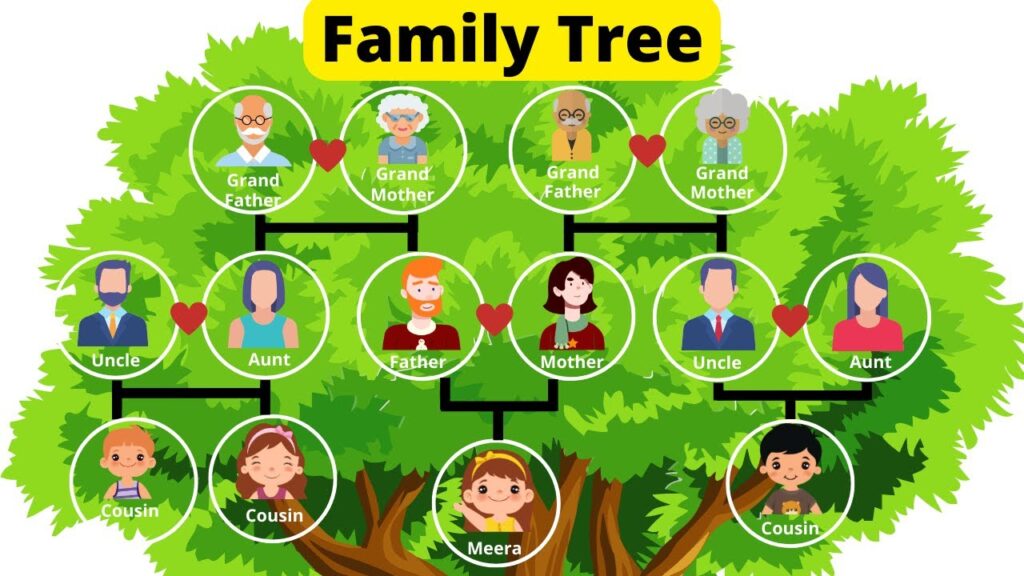
A Saturday afternoon, a piece of paper, a child, and the question, “Where is Grandma from?” This is how the family tree begins. What seems like a small project can turn into something meaningful. Creating a family tree with your kids becomes more valuable. It’s more than simply recording names and birth dates. It helps build relationships. It fosters belonging and allows for sharing stories that might otherwise remain hidden. This article will explain why and how, plus offer tips to make it enjoyable for everyone!
Why Family Trees Matter for Kids
Studies have shown that children raised on family narratives have higher self-esteem in general. Such kids also feel more in control of their lives. Children who understand their ancestral background achieve a greater sense of belonging. The knowledge that they belong to something greater than themselves enables them to develop strength for life challenges. They observe that families contain flaws, yet their members maintain their unity.
A family tree for kids is more than just a lesson in genealogy. It provides them with a life perspective. It sparks conversations about culture, customs, and family members. These conversations matter. It helps them connect the intangible stuff of life to their world.
Steps to Creating a Family Tree with Kids
Here, we divide the process into multiple steps. The steps will help your child stay interested in the activity while they experience a fun and peaceful time. The objective is to build relationships, not to achieve perfect results.
1. Collect Your Stories and Materials
First, gather your supplies. You’ll need large paper, markers, sticky notes, and printed photos. Use sticky notes to rearrange names easily before finalizing placements. The other half of preparation is stories. Stories are key. Before you begin drawing, talk with your child. Ask them about their family. Who do they visit at Christmas? Who do they call to share a joke? This chat builds excitement and gives you a starting point.
2. Start with You and Work Outward
There’s a reason why your family tree comes with a trunk, and that’s your child. You can draw your child or write their name in the center of the paper. Then work outward. Parents, brothers, and sisters next. Then move to grandparents. Stickers are good to get this started. There will be no frustration if you want to change things around. For blended families, don’t worry if you have one true diagram. Different branches that interweave with your child are fine. The trick is not to have the tree be a textbook representation of the family.
3. Interview the Family Storytellers
This is where the project really becomes fun. Have your child become an interviewer. They can ask their family a few questions. What was your most enjoyable game to play? What was my personality like when I was an infant? What was your desired profession when you reached adulthood? The questions invite storytelling because names and dates do not provide complete information. Record the answers. Write them on sticky notes. Let your child hear your grandparent laugh. It is the connection, the sharing of the story, and those connections that are the whole point.
4. Fill in the Branches Together
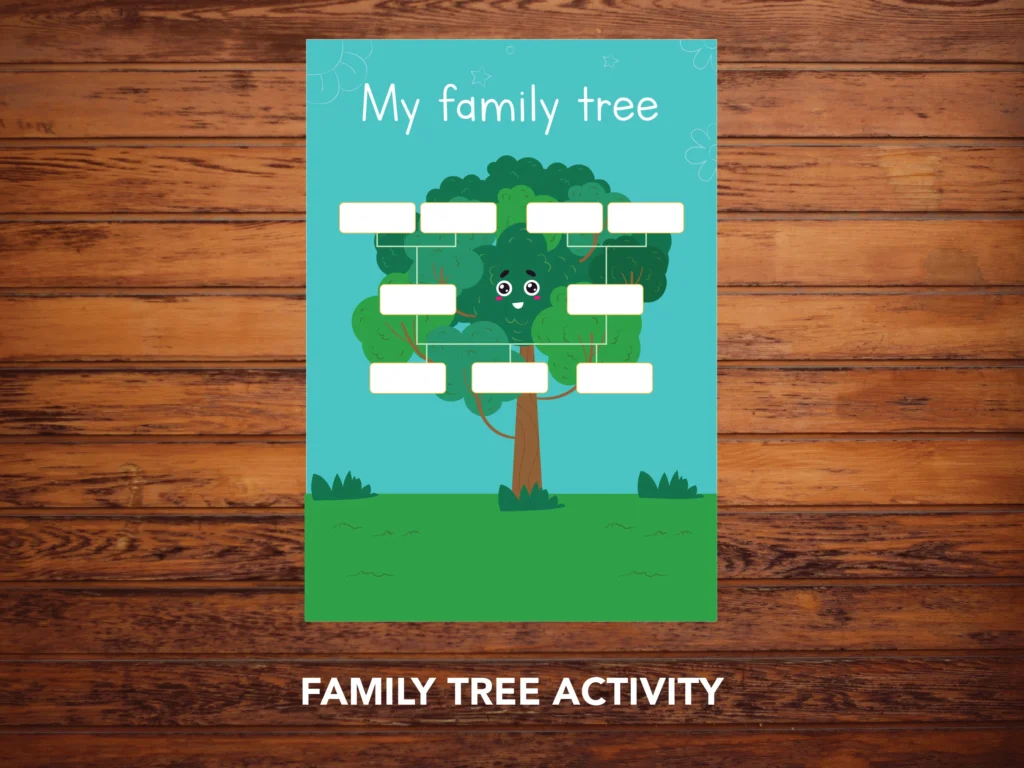
It’s time to get it all together. The stories are in, and the Post-it notes are ready to go – now is the time to let your child show off their talents. They can draw the branches, stick on the photos, and write the names. If you are creating an online tree, a site such as MyHeritage family tree can produce an updatable version. But whether you use paper or a digital tool, don’t get hung up on the end product. Sit beside your child. Listen as they tell you what they learned. Ask questions and answer questions. Your Christmas tree will not be perfect. That is as it should be.
5. Make It Beautiful
Add some decorations now that the names are in position. The child must be allowed to decorate the tree with their own creations. These include artwork, stickers, and other trinkets. You can frame a paper tree that you created. You should print a copy for family members if you did your work on the computer. People need to observe the final step of the process. You need to recognize your child’s work on the project. A picture needs to complete its project. This is a time to celebrate the work they did.
Beyond the Branches: Using Your Tree for Storytelling and Connection
The tree is a beginning, not an end. The best family history activity you can do is to use the tree as an opportunity for storytelling. Have one a week. Use it as the subject of a dinner story. It could be when Grandma entered a pie-baking contest or when your parents got married. These little exchanges bring the tree to life.
The child learns about their family members through listening to these stories. The child understands their family members as separate people. Each has their own needs, fears, and happiness. The process of understanding creates a feeling of empathy. The method creates a historical connection to previous events. They discover their membership in a community that extends beyond their personal existence.
Family Trees in Modern Families
Families of every kind are celebrated in today’s world. If you are in a blended family, just draw that one tree of your family. Let the branches show how different families come together for your child. Adoptive families can include both birth parents and their child’s parents. Other families might include close friends or neighbors. There’s no right way to make a tree. As long as it reflects your family life, it’s correct. Embracing your family’s diversity tells your child: you are enough. You also show that your family is enough.
Your Family Tree Project Checklist
This will help you stay focused and get it done.
Supplies
– Large paper or poster board.
– Markers, crayons, or colored pencils.
– Family member photos.
– Sticky notes for name labels.
– Post-it notes for name labels.
– Optional: a computer with access to a family tree program.
Family Interview Questions
– What was your favorite toy?
– What have you done with your parents before?
– What were you like while you were growing up?
– Do you have a family story that you find funny?
– What remembrance will you always wish to carry with you?
Action Items
– Plan a phone call or trip to see a fun relative.
– Collect photos a day or so ahead of time.
– Schedule plenty of time for the project.
Conclusion
Building a family tree together with your child creates a situation that benefits all parties involved. You receive more than a diagram because you also receive stories as a present. The shared memories between people create a bond between them. The shared memories help a child understand their personal history. The actual value of your work exists beyond your created final product, which you choose to display or keep in digital format. The stories you tell will stay in people’s minds after all the crayons have disappeared.